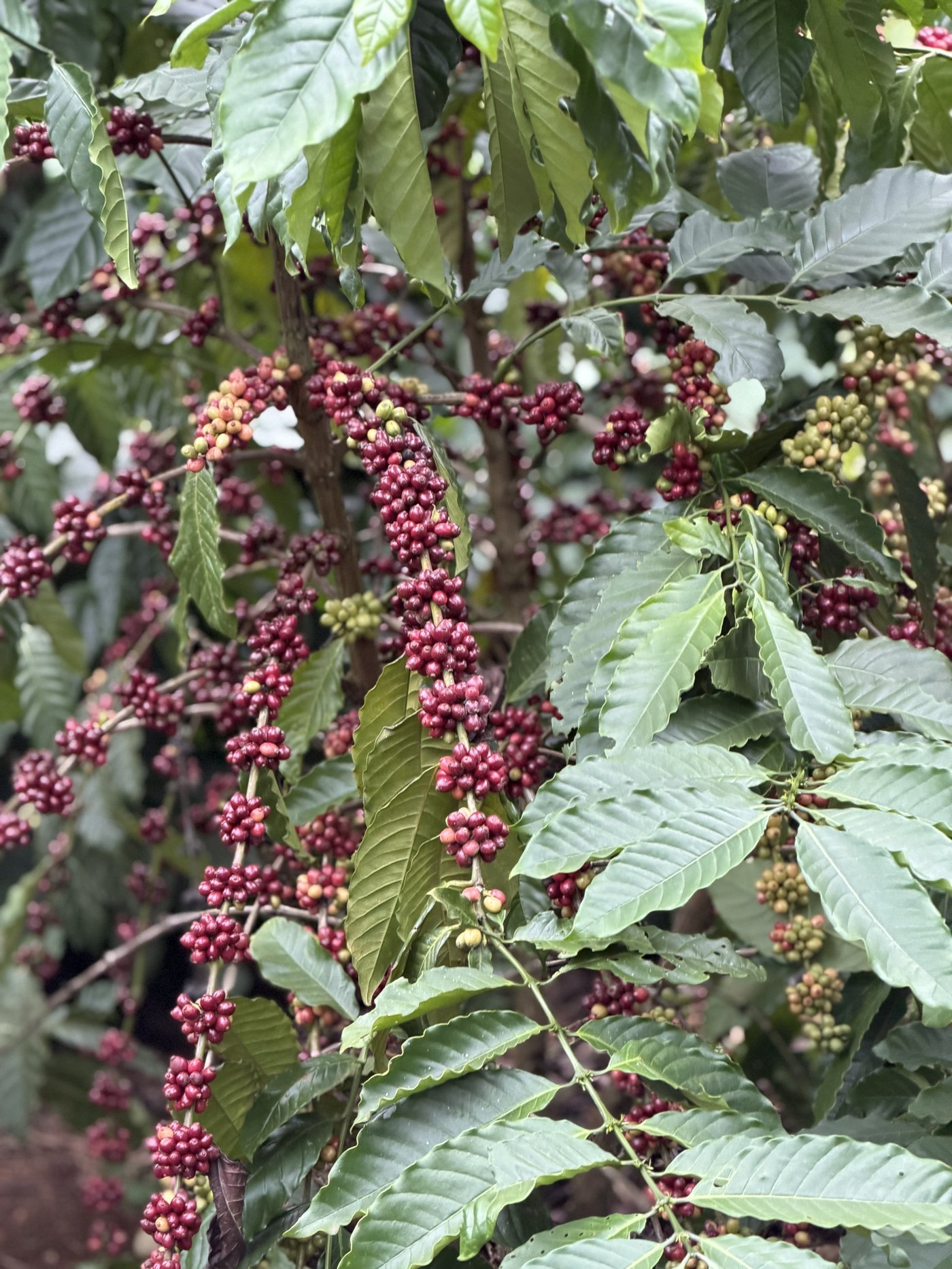
Nine years away, and nothing had changed but the years themselves.
Dak Lak Coffee takes its name from a province in Vietnam's Central Highlands, a place of red basalt soil, unpredictable weather, and coffee cultivation passed down through generations.
I was born and raised there, on my parents' farm, where my childhood was shaped by long mornings in the fields, the rhythm of the seasons, and an understanding that farming demands patience, resilience, and often yields very little in return.
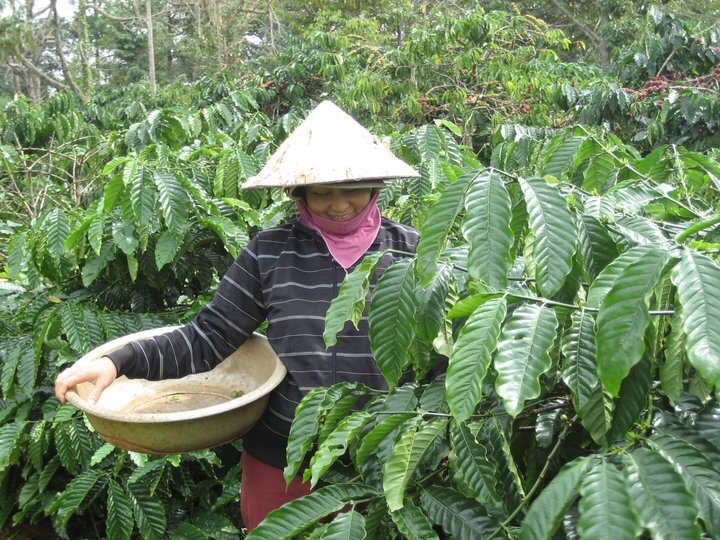
My grandparents farmed coffee. My uncles and aunts farm coffee. My neighbors farm coffee. In Dak Lak, nearly everyone does. The province produces more Robusta than any other region in Vietnam, and Vietnam produces more Robusta than any other country in the world. You have almost certainly drunk coffee from Dak Lak without knowing it.
My parents were part of that world. Like many families in Dak Lak, they wanted more opportunities for their children than farming alone could provide. They saved, sacrificed, and eventually sold our coffee farm to my aunt so they could bring my siblings and me to the United States. They believed education could open doors that generations before them never had.
When we arrived in California, I spoke very little English. My first job was in a coffee shop. I pulled shots, cleaned machines, and served coffee to people who likely had no idea that many of the beans in their cups came from places like the one my family had left behind.
Years later, I graduated from Cornell University's College of Agriculture and Life Sciences with a degree in Animal Science and a minor in Marine Biology. My career took me into research, aquaculture, and sustainable food systems rather than coffee. Throughout those experiences, I kept coming back to the same question: why do some producers capture value for their work while others remain trapped in commodity markets?
Nearly nine years after leaving Vietnam, I returned to Dak Lak.
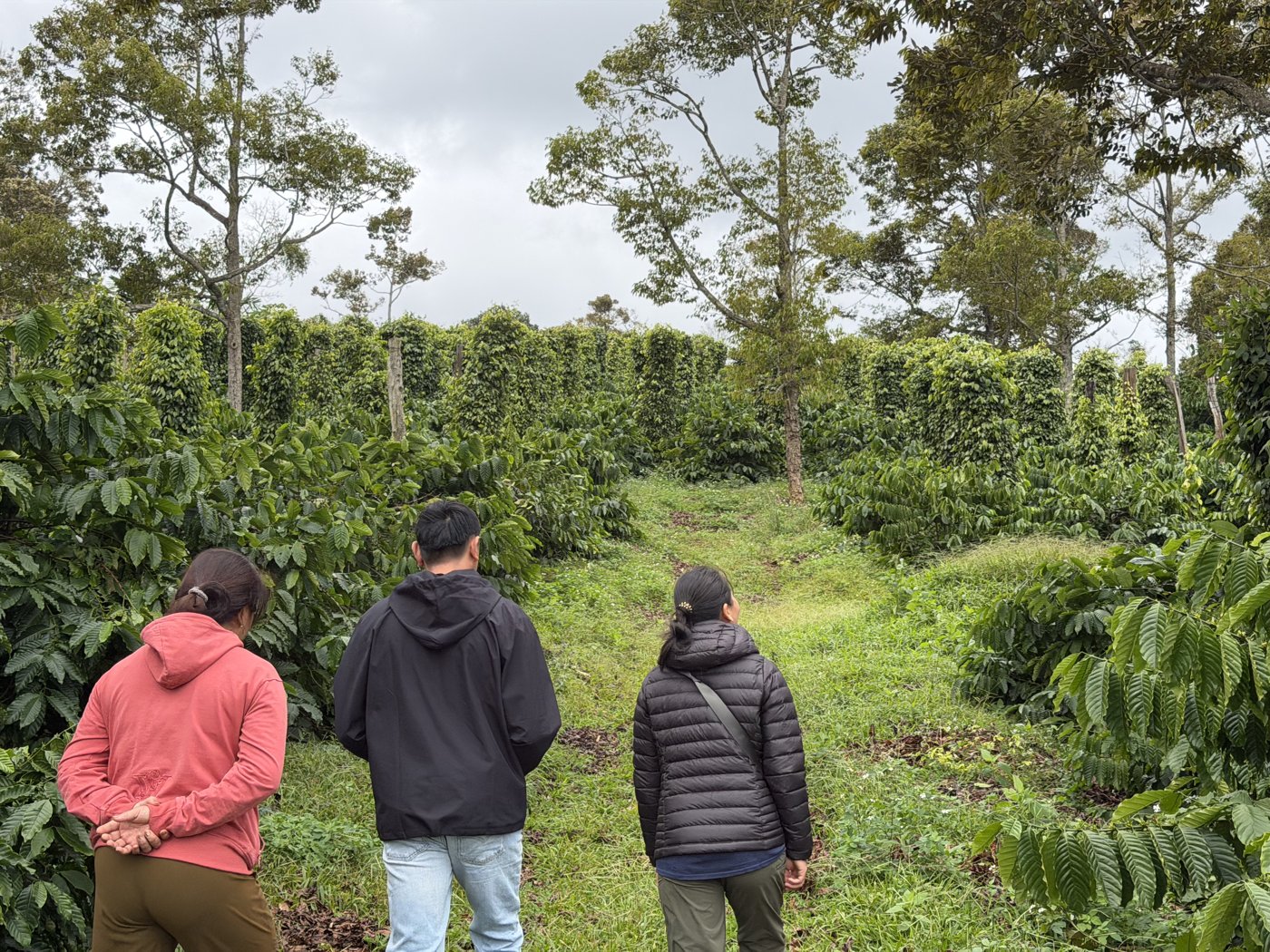
I expected to notice what had changed. Instead, I was struck by what had stayed the same.
My grandparents were still tending their coffee trees before sunrise. My aunts and uncles were still working the same farms they had spent their lives building. The coffee was still being grown, harvested, and sold much as it had been when I was a child.
The only thing that had changed was that everyone was older.
Walking through the farms again, I felt a deeper appreciation for the people who had built their lives around this work. My grandparents, aunts, uncles, and neighbors had spent decades producing one of the world's most important coffee crops, yet few consumers would ever know their names or where their coffee came from.
They were still farming the same way because neither the farmers nor their buyers believed Robusta coffee was worth doing differently. No one invested in better processing because no one had faith that better processing would fetch a better price. The buyers did not ask for quality because the market did not reward it. The farmers did not produce quality because the buyers did not ask. The cycle held, and entire families, entire communities, stayed locked inside it. My grandparents. My uncles. My aunt. Thousands of farming families across Dak Lak, pouring their lives into a crop that the world was buying for as little as possible.
No one invested in better processing because no one had faith that better processing would fetch a better price.
That visit changed how I saw my own path. For the first time, I began to ask whether the knowledge and opportunities I had gained could be used to create something meaningful for the community that raised me.
That is why I founded Dak Lak Coffee LLC.
The name is intentional. Not one farm's coffee, not one family's coffee: Dak Lak Coffee. Because what I saw was not a single isolated problem, but a regional system where quality is rarely rewarded and farmers are rarely connected to the value their work creates.
We begin with my family's farm because that is where trust already exists and where we can build carefully and correctly. From there, the vision is broader: to demonstrate that Robusta from Dak Lak, grown at elevation, selectively harvested, and carefully processed, is not a commodity, but a coffee of origin and character.
We are introducing selective hand-picking Robusta, honey processing on raised drying beds, quality evaluation, and direct relationships with U.S. buyers who value transparency and quality. By connecting farmers more directly to specialty markets, we aim to create incentives that reward craftsmanship and encourage long-term improvement.
Our goal is simple: when someone sees the name Dak Lak on a bag of coffee, it should mean something. Not just a country of origin, but a specific place, a community of farmers, and a standard of quality.
My parents left their coffee farm so their children could have opportunities they never had. Today, I use those opportunities to create new possibilities for the farming families who never left.
Dak Lak Coffee exists to bring exceptional Vietnamese Robusta to the people who value great coffee, and to ensure that the farmers behind it share in the value they create.